Live or Self-Paced Online High School: Test the Fit

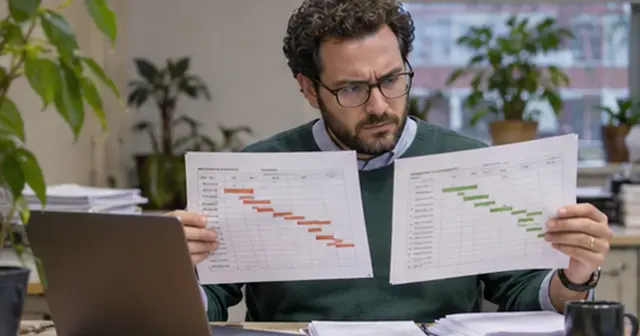
When families consider online schooling for high school, one of the most consequential decisions is whether to choose live, instructor-led classes or self-paced, independent courses. There is no universal answer—what works for one student may hinder another. The decision hinges on individual learning styles, family schedules, and academic goals. Understanding the structural differences between live and self-paced formats allows families to make informed choices that support long-term success.
How Live and Self-Paced Learning Differ
Live online high school courses follow a fixed schedule with real-time instruction, typically through video conferencing. Students attend class at set times, interact with teachers and peers, and follow a structured weekly calendar. Deadlines are firm, and pacing is consistent across the cohort. This model mirrors traditional brick-and-mortar schooling in rhythm and accountability.
Self-paced courses, in contrast, allow students to progress through material on their own timeline. While there may be overall course deadlines, daily work is determined by the learner. Instruction is delivered asynchronously—through recorded lectures, readings, and automated quizzes—without required attendance times. This model prioritizes flexibility over structure.
The core distinction lies not in content quality but in temporal responsibility. Live courses externalize time management: the schedule is imposed. Self-paced courses internalize it: the student must initiate and sustain progress. This difference impacts engagement, performance, and overall experience.
A Tale of Two Students
Consider Maya and Eli, both 10th-grade students in suburban Maryland. Both are bright and capable, but their lives and learning preferences diverge significantly.
Maya is a competitive gymnast training 20 hours a week. Her schedule varies weekly based on meets, travel, and recovery. She thrives in structured environments and responds well to routine. Without clear deadlines, she tends to procrastinate. Her parents value direct teacher access and regular feedback.
Eli, a budding software developer, lives in rural Oregon. His family lacks reliable broadband, making live video sessions unreliable. He’s self-motivated, completes assignments early, and prefers diving deep into topics without waiting for a class to move forward. He dislikes rigid schedules and performs best when he can work in focused bursts.
For Maya, a live online school format offers needed scaffolding. The fixed class times create anchors in her chaotic week. Teacher-led explanations help her grasp difficult concepts in Algebra II, and scheduled due dates prevent last-minute cramming before competitions. Her weekly rhythm includes Monday and Wednesday evening physics sessions and Tuesday/Thursday morning English discussions.
Eli, however, would struggle in that same setup. Frequent disconnections during live sessions would disrupt his learning and frustrate his teachers. Instead, a self-paced curriculum allows him to download materials during brief connectivity windows and complete work offline. He finishes his history module on the Progressive Era in three days, then takes a break to intern with a local developer. His progress is measured by mastery, not minutes logged.
When Live Instruction Adds Value
Live classes benefit students who need external accountability or thrive on interaction. Real-time Q&A, immediate feedback, and peer discussion can deepen understanding—especially in complex subjects like chemistry or foreign languages.
For example, when Maya struggled with stoichiometry in her live chemistry course, she could ask her teacher to re-explain the mole ratio concept during class. The teacher demonstrated a sample problem on screen, then assigned a breakout group exercise. This responsive teaching moment addressed her confusion in context, something a pre-recorded video might not achieve as effectively.
Additionally, live formats foster community. Weekly seminars in literature or debate build relationships and communication skills. Students learn to articulate ideas under mild pressure, a subtle but important preparation for college and careers.
When Self-Paced Learning Shines
Self-paced learning excels when students need control over timing, location, or depth. It suits advanced learners who want to accelerate, students recovering from illness, or those balancing work or family responsibilities.
Eli, for instance, completed his introductory computer science course three weeks early. The self-paced format allowed him to move ahead without waiting for peers. He then used the extra time to build a personal portfolio website, applying concepts from the course in a practical context.
Another example is Lila, a 17-year-old in Seattle caring for her younger siblings after school. She logs in between shifts, often late at night. A self-paced English course lets her submit essays at 10 p.m. and receive feedback within 48 hours. She maintains progress without sacrificing family duties.
Assessing Student Readiness
Choosing between formats requires honest assessment of a student’s executive function, motivation, and support system. Consider these questions:
- Does the student initiate tasks without reminders?
- Can they manage deadlines independently?
- Do they seek help when confused, or struggle in silence?
- Is their environment stable and conducive to regular study?
- Are they comfortable with technology and troubleshooting minor issues?
Students with ADHD, for example, may benefit from live classes’ built-in routines. But some with the same diagnosis succeed in self-paced settings if they use timers, checklists, and parental check-ins. The key is matching structure to need—not assuming one size fits all.
Hybrid Models: The Middle Ground
Some families find balance in hybrid approaches. A student might take live math and science courses for direct support while pursuing self-paced electives like art or personal finance. This mix allows customization without overwhelming resources.
Take Javier, a 16-year-old in Texas balancing a part-time job and college prep. He enrolls in a live SAT prep course with weekly practice tests and instructor reviews. For his foreign language credit, he chooses a self-paced Spanish course, completing lessons during weekend shifts at the auto shop where he works. His schedule demands flexibility, but he values live interaction for high-stakes subjects.
Academic and Record Implications
Regardless of format, families must ensure that coursework aligns with state requirements and transcript standards. Neither live nor self-paced courses issued by private providers automatically count toward public school graduation. Families are responsible for verifying credit acceptance with their school district or accrediting body.
Transcripts are typically issued by the enrolling institution, not by course providers. For example, if a student completes a self-paced biology course through an independent provider, that provider may issue a completion certificate—but only the student’s official school can issue a transcript entry. Families must coordinate documentation carefully, especially when mixing programs.
Some states require periodic assessments or portfolio reviews for homeschooled students. In such cases, self-paced work can be documented through saved assignments, project files, and instructor evaluations. Families using live courses may rely on report cards or grade books from the provider. Either way, consistent recordkeeping is essential.
Practical Steps for Families
Begin by mapping your student’s typical week. Block out fixed commitments—sports, jobs, therapy, family duties. Identify available study windows and assess their consistency. A student with irregular availability may struggle with live classes that demand weekly attendance.
Next, review sample materials from both formats. Watch a demo lecture from a live course. Try a self-paced module. Observe how your student responds. Do they engage with the instructor? Can they navigate the platform independently?
Consider a trial period. Some providers allow short-term enrollment or audits. Use this to test fit without long-term commitment. For instance, a student might take a single live semester of world history, then switch to self-paced for the second semester if the schedule proves too rigid.
For families exploring self-directed learning paths, resources like Roovet Academy's homeschool support can provide guidance on structuring independent study and aligning with academic standards.
Technology and Access Considerations
Reliable internet is non-negotiable for live courses. Students need sufficient bandwidth for video streaming and real-time interaction. Frequent disconnections disrupt learning and may affect participation grades. Families in low-connectivity areas should prioritize self-paced options with downloadable content.
Device access matters too. A shared family tablet may not support extended video sessions, whereas self-paced work can be completed in shorter bursts on mobile devices. Consider whether the student has a quiet, consistent workspace—especially important for live classes requiring microphone use.
Long-Term Planning
The choice between live and self-paced isn’t permanent. Students evolve, and so can their learning plans. A 9th grader thriving in self-paced courses might seek live debate or lab-based science later in high school. Flexibility within a broader educational strategy is key.
Colleges generally do not distinguish between live and self-paced formats on transcripts—they care about rigor, consistency, and completion. What matters most is that the student’s record reflects sustained effort and academic growth, regardless of delivery method.
Ultimately, the best format is the one that enables consistent, meaningful engagement. For some, that’s the rhythm of a live class. For others, it’s the autonomy of self-paced study. By aligning format with function, families can build a high school experience that fits—not just fits in.
Explore the Roovet Academy course catalog.