Online Primary Schools: What a First Reading Lesson Can Look Like
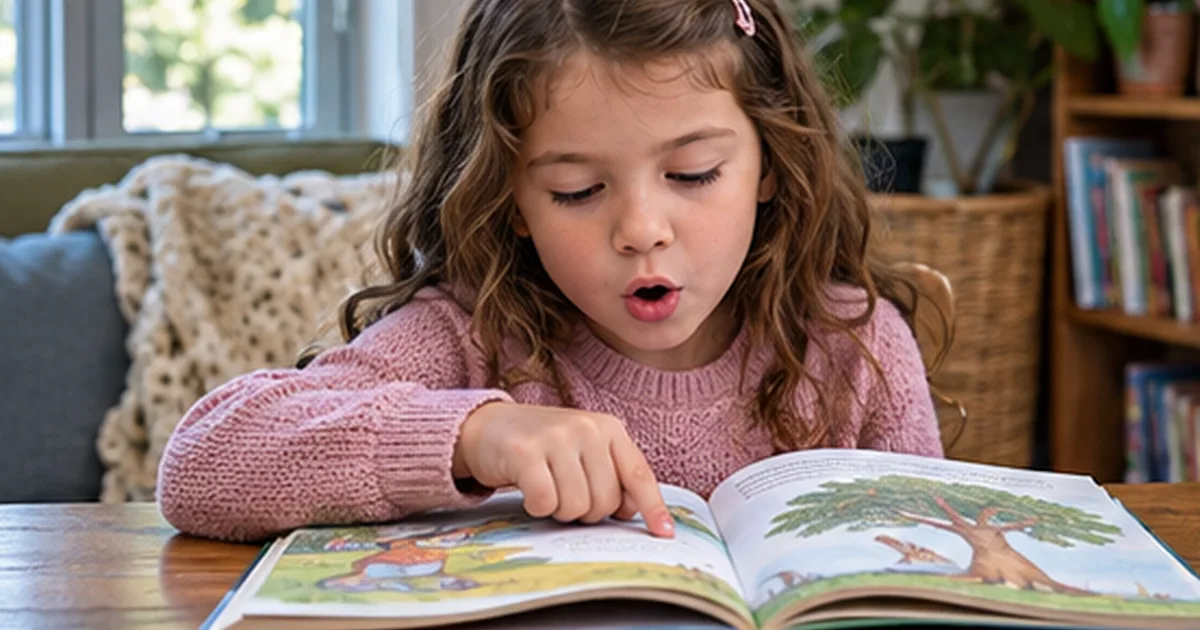
Write “map” on a piece of paper and ask a beginning reader to say the sounds, then slide them together. Listen closely. Can the child hear the sounds individually, keep them in order, and recognize the word once they blend? A short first-grade reading lesson gives an adult time to notice which part needs another demonstration before moving to a new word.
Roovet Academy offers resources to support families navigating homeschooling and remote learning, including structured curricula and guidance for early literacy. The examples in this article are illustrative and based on common phonics practices; they do not reflect any specific curriculum endorsement or accreditation.
Foundations of Early Phonics Instruction
Most online primary schools in the US follow a systematic phonics approach, especially in kindergarten and first grade. The goal is to teach children how to decode words by connecting sounds to letters. A first reading lesson typically begins with the most basic sound-letter correspondences: short vowels and consonants such as /m/, /s/, /t/, and /a/.
Children are introduced to one letter sound at a time, often with visual aids and auditory cues. For example, a lesson might begin with the letter m, pronounced /m/. The teacher—whether live or recorded—models the sound, showing a picture of a map or man to reinforce the connection. The child repeats the sound, practices writing the letter, and identifies words that begin with /m/.
Blending is introduced gradually. After mastering a few consonants and the short a vowel, students begin combining them into simple CVC (consonant-vowel-consonant) words. This is the core of early decoding and the focus of many first formal reading sessions.
Sample First Reading Lesson: Blending with Sam and Mat
Consider a hypothetical learner named Maya, age 5, enrolled in an online primary program. Her first structured reading lesson includes the following components:
- Review of previously introduced letters: m (/m/), a (/ă/), t (/t/)
- Introduction to blending using these letters
- Guided practice with CVC words: mat, sat, Sam
- Simple sentence reading: Sam sat.
- Parent-assisted activity: tracing letters and reading aloud
The lesson begins with auditory discrimination. The teacher (via video or live session) says each sound slowly: /m/, /ă/, /t/. Maya repeats each sound. Then, the teacher models blending: “Watch how I put the sounds together: /m/… /ă/… /t/. Now say it fast: mat.”
Maya practices this with visual support—a picture of a mat appears on screen. The teacher emphasizes not adding extra vowels: “Don’t say ‘muh-ă-tuh.’ Just /m/… /ă/… /t/… mat.”
Next, the lesson introduces Sam. The name Sam uses the same letters. The teacher explains that names are special but still follow sound rules. “S-A-M spells Sam. Let’s sound it out: /s/… /ă/… /m/. Sam.”
Finally, the child reads a simple sentence: Sam sat. The teacher breaks it down:
- Sound out Sam: /s/ /ă/ /m/ → Sam
- Sound out sat: /s/ /ă/ /t/ → sat
- Read the whole sentence: Sam sat.
Maya’s parent, seated beside her, is given a brief script: “Say each sound slowly, then blend. Praise effort, not speed. If Maya hesitates on sat, say: ‘What’s the first sound? /s/. Now /ă/. Now /t/. Put them together.’”
Parental Role in Online Reading Instruction
One defining feature of online primary education is the active role of the parent or caregiver. Unlike in-person schools, where teachers manage all instruction, online programs often rely on adult support during lessons—especially for young children.
Parents are not expected to be reading experts, but they do need to understand the sequence and terminology. In the case of phonics, knowing terms like “blending,” “CVC words,” and “short vowels” helps them follow the lesson plan and support practice.
For example, if a child struggles to blend /s/ /ă/ /t/, the parent might be instructed to:
- Model the sounds slowly, pausing between them
- Use hand motions (e.g., sliding hand forward as sounds blend)
- Use letter tiles or on-screen drag-and-drop tools to manipulate sounds
- Reinforce correct pronunciation without adding extra syllables
Consistency is key. Daily short sessions—10 to 15 minutes—are more effective than longer, infrequent ones. Parents should track progress informally: Can the child identify the sound for m? Blend mat independently? Read Sam sat. with minimal help?
Common Challenges and How to Address Them
Not every child grasps blending immediately. Some common challenges include:
- Adding extra vowels: Saying “muh-ă-tuh” instead of /m/ /ă/ /t/. Solution: Emphasize crisp, short sounds. Use visual cues like tapping fingers for each sound.
- Guessing from pictures: A child sees a picture of a cat and says “cat” without sounding out. Solution: Cover the image, focus on the text. Praise decoding effort, not correct guesses.
- Reversing letters: Confusing b and d. While not directly related to blending, this can disrupt reading fluency. Solution: Use tactile methods (tracing letters in sand) and consistent reinforcement.
For a child like Maya, who initially says “săt” instead of “sat,” the parent might use a sound chart with color-coded letters. The /s/ is green, /ă/ is red, /t/ is blue. The parent points to each color as Maya says the sound, then sweeps a hand across to signal blending.
Curriculum Design and Pacing
Online primary schools typically structure reading curricula in small, cumulative steps. A first lesson might focus on just three letters and one vowel. Mastery is assessed informally through repetition and guided practice, not formal testing.
Progression is deliberate. After mat, sat, and Sam, the next lesson might introduce /p/, allowing words like pat and tap. Each new letter expands the child’s decoding ability.
Some programs use decodable readers—short books that use only the sounds the child has learned. For example, a decodable book might include:
- A man.
- A mat.
- Sam sat.
- Sam sat on a mat.
These texts avoid words the child cannot yet decode (like “the” or “was”), which might otherwise encourage guessing. Instead, they reinforce phonics rules and build confidence through success.
Technology and Engagement
Online platforms vary in interactivity. Some use animated videos with sound blending exercises; others provide printable worksheets and parent guides. For example, a digital lesson might include:
- An audio clip of a teacher saying /m/ /ă/ /t/ slowly, then blending to “mat”
- A drag-and-drop activity matching words to pictures
- A recording tool for the child to say the word aloud
Interactive elements can boost engagement, but they are not essential. A printed worksheet with the same tasks can be equally effective when paired with parental guidance.
For families using Roovet Academy’s materials, support is available through structured lesson plans and activity suggestions. The focus remains on foundational skills, not platform features. Families are encouraged to adapt pacing based on the child’s readiness.
Assessing Progress Without Pressure
In online settings, assessment is often observational. Teachers may ask parents to submit short video clips of the child reading, or they may conduct live check-ins.
Key milestones after a first reading lesson include:
- Correctly identifying the sounds for m, a, t
- Blending mat, sat, Sam with minimal prompting
- Reading the sentence Sam sat. with understanding
If a child like Maya can do this after a few practice sessions, the program may introduce a new letter. If not, the same sounds are reviewed in a new context—perhaps with a different story or game.
It’s important to avoid rushing. Early literacy is not a race. A solid foundation in blending prevents later difficulties with more complex words.
When to Seek Additional Support
Most children make steady progress with structured phonics. However, if a child consistently struggles to blend sounds after multiple exposures, it may be time to consider additional support.
Signs to watch for include:
- Inability to isolate individual sounds in words
- Reversing or omitting sounds (e.g., saying “at” for “mat”)
- Extreme frustration or avoidance during reading tasks
In such cases, families might consult a reading specialist or speech-language pathologist. Online schools typically do not provide diagnostic services, but they may offer modified pacing or supplemental materials.
For example, if Maya continues to say “săm” instead of “Sam” after several sessions, her parents might work with a tutor to reinforce auditory discrimination. They could also use multisensory techniques, such as forming letters with clay or writing in shaving cream, to strengthen memory.
Building a Daily Routine
Success in online primary reading depends less on the platform and more on consistency. A predictable routine helps children know what to expect and reduces resistance.
A sample daily schedule for a first-grade reader might include:
- 9:00 AM: Phonics lesson (10–15 minutes)
- 9:15 AM: Shared reading (parent reads a picture book aloud)
- 10:00 AM: Independent play or outdoor time
The phonics lesson is brief but focused. The shared reading time builds vocabulary and listening skills without pressure to decode. Over time, these elements combine to support literacy growth.
Parents should track informal progress—such as which words the child can now sound out—and communicate this to the online teacher if required. Documentation helps ensure alignment between home and instruction.
Final Thoughts
A first reading lesson in an online primary school is more than a technical exercise in sound blending. It’s the beginning of a child’s journey into written language. With clear structure, parental involvement, and deliberate pacing, children like Maya can develop strong decoding skills from the start.
While online education offers flexibility, it also demands active participation. Families who embrace their role as learning partners—using simple tools, consistent routines, and patient guidance—lay the groundwork for long-term success. Resources from providers like Roovet Academy can support this process, offering structured pathways without dictating a single method.
The key is not the platform, but the practice: sound by sound, word by word, sentence by sentence.
Explore Roovet Academy’s reading and phonics course.