Selection, Optimization, and Compensation in Everyday Life
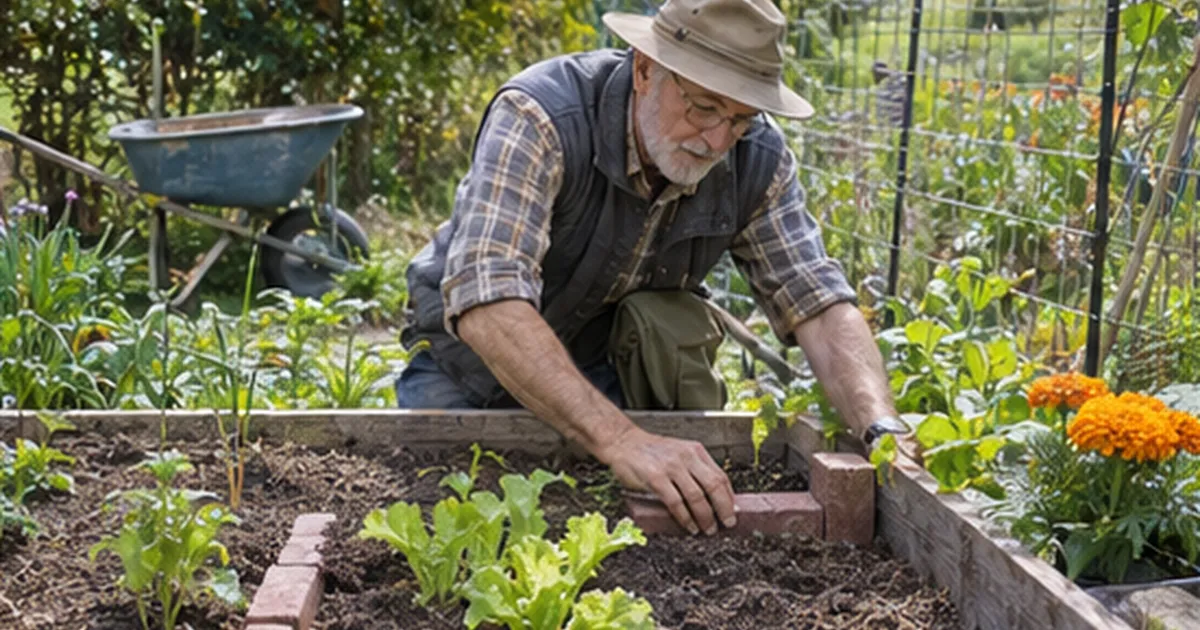
How do you keep a garden thriving when time, energy, and weather shift unpredictably? Not by pushing harder, but by choosing goals wisely, adjusting methods, and finding workarounds—three principles known as selection, optimization, and compensation. These aren’t just for psychologists or athletes; they’re practical tools for anyone managing long-term projects, whether in learning, work, or personal growth. In gardening, as in life, success often depends less on effort than on strategic adaptation. Consider Maya, a college student balancing a full course load, a part-time job, and a small backyard garden she started to reduce stress. When her schedule tightened mid-semester, her garden began to wither. Instead of abandoning it, she applied selection, optimization, and compensation—and transformed how she approached not just gardening, but her daily responsibilities.
Setting Realistic Goals: The Power of Selection
Maya began in early spring with ambitious plans: a full vegetable bed with tomatoes, peppers, cucumbers, and herbs, plus a flower border for pollinators. She spent weekends preparing soil, planting seedlings, and setting up a drip irrigation system. By May, however, her organic chemistry course demanded late-night study sessions, and her work hours increased. Weeding fell behind. Seedlings struggled. One morning, she found half her basil plants dead from mildew, and the tomato vines were stunted. Discouraged, she considered giving up entirely.
Instead, she paused and reevaluated. This was a moment of goal selection—choosing which objectives to prioritize and which to let go. She asked: What do I truly need this garden to do? Her original goal—abundant homegrown produce—was no longer feasible given her time constraints. But her deeper goal—stress relief and a sense of accomplishment—remained. She revised her plan: focus on a few resilient, low-maintenance plants that could thrive with minimal intervention. She removed the cucumbers and peppers, which required trellising and frequent monitoring, and kept only cherry tomatoes, rosemary, and marigolds. She also added a self-watering container for lettuce, which could grow in partial shade near her back door.
This shift wasn’t failure—it was strategic selection. She reduced her active gardening area from 18 square feet to 7.2 square feet, a reduction of about 60%. She also cut her weekly gardening time from 5 hours to 1.5 hours. But by narrowing her focus, she increased the likelihood that her remaining plants would thrive. Selection isn’t about lowering standards; it’s about aligning effort with capacity. In doing so, Maya preserved the core benefit of gardening—mental well-being—without overextending herself.
Refining Methods: The Role of Optimization
With fewer plants, Maya turned to optimization: improving efficiency within her revised system. She analyzed where time was lost. Watering, for example, took 20 minutes each evening, and she often forgot, leading to uneven moisture. She replaced her drip system with two recycled 5-gallon buckets fitted with slow-release irrigation spikes—simple devices made from clay pots buried upside down in the soil, allowing water to seep gradually. She filled them twice weekly, reducing watering time to 5 minutes.
Weeding had also been a major time drain. She introduced a 2-inch layer of shredded bark mulch, which reduced weed emergence by an estimated 70%. She didn’t eliminate weeds entirely—some always appeared—but the mulch gave her more control. She also switched from hand-pulling to using a small hand hoe, which let her clear a 3-foot row in under 3 minutes, compared to 8 minutes previously. These small changes compounded: her total weekly gardening time dropped to about 1 hour, and plant survival increased from an estimated 65% to about 88% over the next six weeks.
Optimization isn’t about perfection. It’s about identifying bottlenecks and making targeted improvements. Maya didn’t redesign her entire garden; she focused on the two tasks that consumed the most time and energy. By streamlining watering and weeding, she created mental and physical space to enjoy her garden rather than dread it. This phase wasn’t about doing more—it was about doing better with less.
Adapting to Limits: The Necessity of Compensation
In late July, a heatwave hit. Temperatures stayed above 95°F for nine consecutive days. Maya’s cherry tomatoes wilted despite the mulch and irrigation. One evening, she noticed aphids clustering on new growth. Her usual response—spraying with soapy water—would require daily attention, which her exam schedule wouldn’t allow. She needed a compensatory strategy: a way to maintain outcomes despite reduced input.
She introduced ladybugs—natural predators of aphids—ordering a batch online for release in the evening. She also installed a shade cloth over the tomato container, reducing direct sun exposure by about 40%. These weren’t fixes she would have used in ideal conditions, but they addressed specific constraints: limited time and extreme weather. The ladybugs reduced the aphid population significantly within a week, and the shade cloth lowered soil temperature by an average of 7°F. Her tomatoes recovered, yielding 12 ounces per plant over the season—less than her initial target of 18 ounces, but still a meaningful harvest.
Compensation isn’t a last resort; it’s a deliberate adaptation. Maya didn’t blame herself for failing to maintain ideal conditions. Instead, she acknowledged external limits and found alternative paths to partial success. This mindset shift—from self-criticism to problem-solving—was as valuable as the ladybugs themselves.
Interpreting the Pattern: Was It Really Adaptation?
One might argue that Maya’s story simply reflects compromise. She started with high expectations and ended with a smaller, simpler garden. From that view, her progress wasn’t adaptation but retreat. She reduced her goals, cut her losses, and settled for less. In a culture that equates productivity with volume, this could seem like failure.
But consider the changes: her gardening time fell by about 80%, yet plant survival improved from an estimated 65% to about 88%. Her emotional benefit—measured informally by her self-rated weekly stress levels—improved steadily after week six. She didn’t just preserve the garden; she made it more sustainable. The alternative interpretation—that she gave up—ignores the intentionality behind her choices. She didn’t abandon goals; she selected new ones. She didn’t stop working; she worked differently. The evidence suggests not decline, but recalibration.
Moreover, her garden became a model for other areas of her life. She began applying the same principles to her study habits: selecting core topics for exams, optimizing review with spaced repetition, and compensating for fatigue with short naps and hydration. Her grades improved slightly, but more importantly, her sense of control grew. The garden wasn’t just a hobby; it became a laboratory for resilience.
Transferring the Framework: From Garden to Classroom
The same principles apply in academic settings. Imagine a first-year educator designing a semester-long project for middle school students. Initially, she plans for each student to create a multimedia presentation, complete with video, research, and peer review. But after two weeks, she sees that students struggle with time management and technical tools. Engagement drops.
Using selection, she simplifies the goal: instead of full presentations, students now focus on creating a single visual aid—like a poster or infographic—that communicates one key idea. This reduces cognitive load and allows deeper focus. For optimization, she introduces a template and a 10-minute weekly check-in to troubleshoot issues early. She also records short video tutorials for common software problems, cutting support time in half.
When a school-wide internet outage disrupts access to research databases, she applies compensation: students use printed articles from the library and conduct brief interviews with family members. The final projects are less flashy, but richer in personal insight. Student completion rises from 70% to 92%, and qualitative feedback improves. The teacher didn’t lower standards—she redesigned the path to meet them.
Like Maya’s garden, the classroom project succeeded not through sheer effort, but through responsive adjustment. Selection clarified purpose, optimization improved efficiency, and compensation preserved progress under pressure. The outcome wasn’t inevitable decline; it was thoughtful evolution.
Everyday Resilience
Life rarely follows a straight path. Constraints emerge—time, energy, resources—and goals must shift. But change isn’t the same as decline. By selecting what matters, optimizing how we work, and compensating for limits, we maintain continuity and purpose. Maya’s garden didn’t flourish because she did more; it endured because she adapted. The same logic applies to learning, teaching, and professional growth. The tools are simple, but their power lies in consistent, mindful application. When conditions change, we don’t have to quit—we can recalibrate.
For the wider context, read Roovet’s guide to developmental psychology across the lifespan or explore the developmental psychology course.