Workplace Psychology
Guides to online school, homeschooling, study skills, psychology, and careers.
All articles
Developmental Psychology
Learning Resources & Tools
Nelson's Medial - School Of Medicine
Personal Development & Mindset
Study Tips & Academic Success
Workplace Psychology
 Workplace Psychology Why Informal Leaders Emerge in Work Groups
A problem appears, and several colleagues turn to the same person even though that person does not manage the team. That pattern…
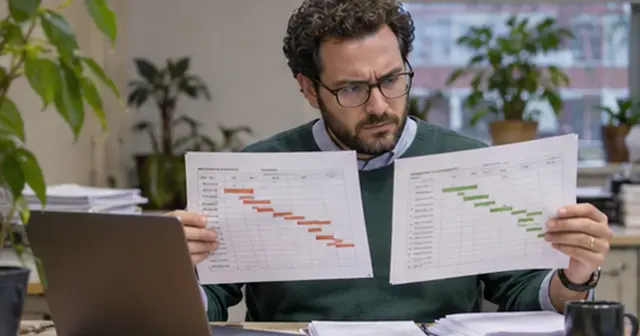 Workplace Psychology How to Tell Whether a Workplace Change Helped
A team changes its schedule and its average completion time improves the following week. The improvement is worth investigating…
 Workplace Psychology Measuring Workload With a Task Diary
A task diary can uncover work that disappears from a job description: searching for a missing file, answering a colleague's…
 Workplace Psychology Task Interdependence: Why a Fast Worker Can Have a Slow Team
A worker finishes a task in ten minutes and then waits forty minutes for a colleague's input. Improving the first worker's speed…
 Workplace Psychology Person–Job Fit: Match Skills to Actual Work
Introduction to Person-Job FitThe concept of Person-Job Fit is about matching the skills and abilities of an individual to the…
 Workplace Psychology Role Ambiguity: When Two Teammates Own the Same Task
Role ambiguity occurs when individuals are unclear about their responsibilities, expectations, or how their role fits within a…
 Workplace Psychology Team Norms: How Informal Rules Shape Participation
A team stays silent after a proposal. One person privately disagrees, another is waiting for a senior colleague, and a third…
 Workplace Psychology What an Employee Survey Can and Cannot Tell You
An employee survey reports high agreement with “I have support.” Some respondents may be thinking about their manager, others…
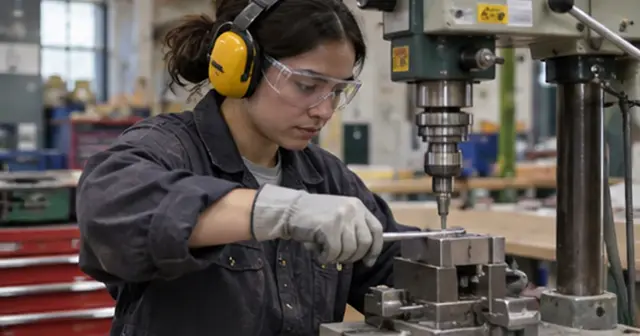 Workplace Psychology Training Transfer: Why a Workshop Skill Stays in the Classroom
An employee performs a new skill correctly in a workshop and returns to a workstation where the old routine is faster, familiar…
 Workplace Psychology What Goal-Setting Theory Predicts About Workplace Feedback
“Do better next week” leaves a worker guessing which change the manager values. A more precise goal can direct attention, but…
 Workplace Psychology When a Manager and Employee Define Success Differently
A manager asks for a draft “by Friday.” The employee delivers a thoughtful outline on Friday afternoon; the manager expected a…
 Workplace Psychology Why Two Managers Give the Same Work Different Ratings
Two managers watch the same employee handle a difficult request. One rewards the quick response; the other notices that an…
 Workplace Psychology What a Work Sample Measures in Employee Selection
Ask a candidate to organize a set of simulated customer orders and you can observe part of the work directly. The result still…
 Workplace Psychology How Structured Interviews Turn Job Requirements Into Questions
Introduction to Structured InterviewsA structured interview begins before anyone writes a question. Identify a demand of the job…
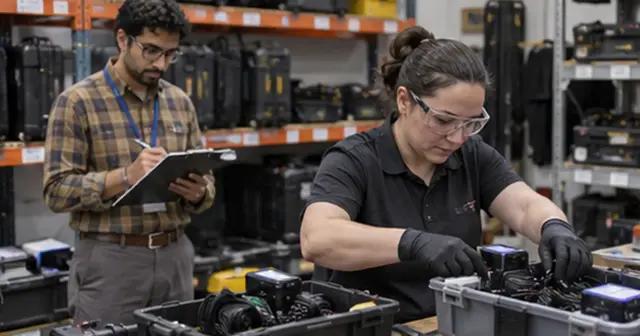 Workplace Psychology How to Conduct a Job Analysis Using Task Statements
Turn an equipment check into a task statementSuppose a technician says, “I make sure the kit is right.” Ask to see a recent…
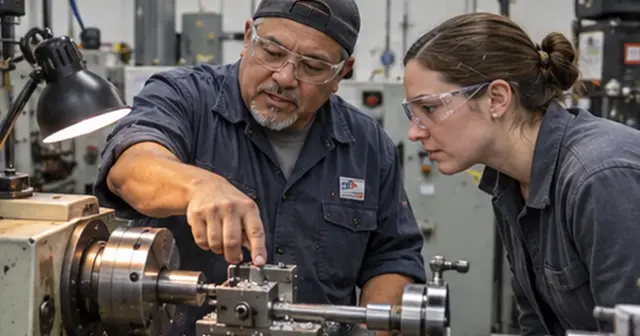 Workplace Psychology What Does a Subject Matter Expert Do in I-O Psychology?
In industrial and organizational psychology, a subject matter expert, or SME, is someone with detailed knowledge of the…
 Workplace Psychology Organizational Behavior Management vs. I-O Psychology
Organizational behavior management, or OBM, applies behavior analysis to work. Industrial and organizational psychology, or I-O…
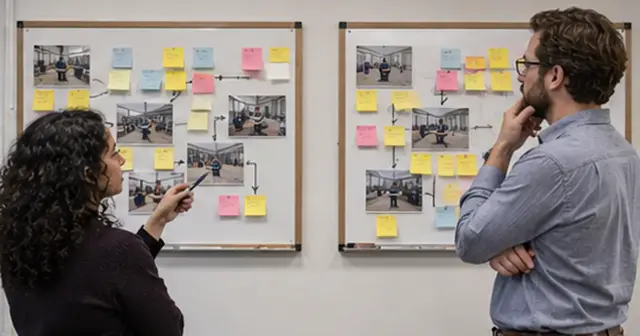 Workplace Psychology Industrial Psychology vs. Organizational Behavior: Which Question Fits?
Industrial psychology examines how people and jobs fit together, including how organizations describe work, select employees…